
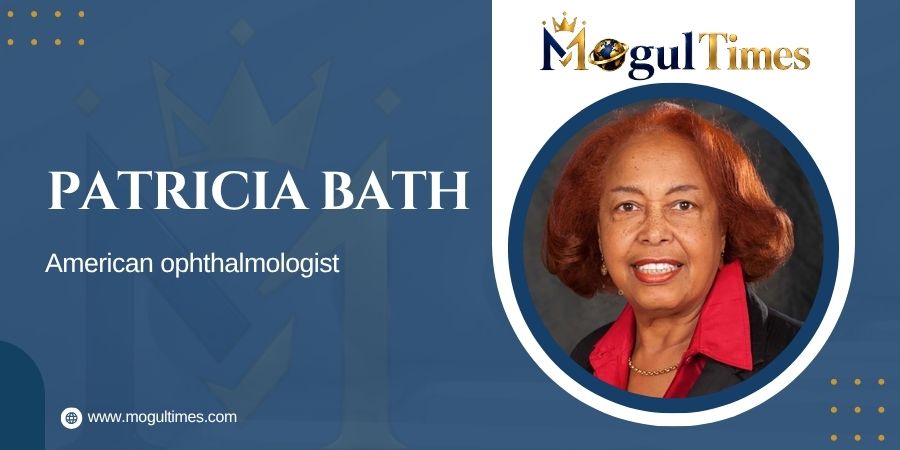
Patricia Bath transformed adversity into innovation by becoming the first Black woman physician in the United States to receive a patent for a medical invention. Her groundbreaking work in ophthalmology restored sight to thousands of patients and reshaped the conversation about equality in medicine. The Patricia Bath inspiring story is not only about personal achievement but also about changing healthcare for generations to come.
Who Was Patricia Bath?
Patricia Bath was an American ophthalmologist, inventor, researcher, professor, and humanitarian whose medical innovations revolutionized cataract treatment while opening doors for women and minorities in science and medicine.
Born on November 4, 1942, in Harlem, New York, Bath grew up in a family that valued education and curiosity. Her father encouraged scientific exploration, while her mother saved money to buy her chemistry sets and educational books.
Her passion for medicine developed early, but she quickly discovered that talent alone was not enough. During the 1950s and 1960s, racial segregation and gender discrimination limited opportunities for Black women pursuing medical careers.
Despite these barriers, Bath remained determined to become a physician capable of making a global impact.
How Did Patricia Bath Overcome Racial and Gender Barriers?
Patricia Bath succeeded because she refused to allow discrimination to define her future, consistently proving her expertise through education, research, and innovation despite systemic obstacles.
Throughout her career, she encountered numerous challenges, including:
- Limited opportunities for Black medical students.
- Gender discrimination in surgical specialties.
- Few female mentors in ophthalmology.
- Unequal access to research funding.
- Underrepresentation in academic leadership.
Instead of accepting these barriers, Bath focused on excellence.
Academic Achievements
Her educational journey included:
| Achievement | Institution |
|---|---|
| Bachelor of Arts | Hunter College |
| Medical Degree | Howard University College of Medicine |
| Internship | Harlem Hospital |
| Ophthalmology Residency | New York University |
She later became:
- The first Black resident in ophthalmology at NYU.
- The first female faculty member in UCLA’s Department of Ophthalmology.
- One of the first African American women to complete an ophthalmology residency.
These milestones reflected persistence during an era when many hospitals and universities lacked diversity.
Why Is Patricia Bath Famous?
Patricia Bath is internationally recognized because she invented the Laserphaco Probe, a medical device that significantly improved cataract surgery and restored vision for patients around the world.
Cataracts remain one of the leading causes of blindness globally.
Before Bath’s invention:
- Cataract surgery was more invasive.
- Recovery often took longer.
- Some procedures produced less precise outcomes.
Her invention introduced laser technology that improved surgical precision and helped remove cataracts more effectively.
In 1988, Bath became the first Black female physician in the United States to receive a medical patent.
This historic achievement represented both scientific innovation and social progress.
The Patricia Bath inspiring story continues to motivate innovators who aim to solve real-world healthcare challenges.
What Is the Laserphaco Probe?
The Laserphaco Probe is a laser-based surgical device designed to remove cataracts more accurately while minimizing damage to surrounding eye tissue.
The invention combined:
- Laser technology
- Irrigation systems
- Aspiration techniques
This approach allowed surgeons to:
- Dissolve cataracts more efficiently.
- Remove damaged tissue with greater precision.
- Reduce surgical trauma.
- Improve patient recovery.
Bath’s work helped modernize ophthalmic surgery and influenced future generations of laser-assisted eye procedures.
How Did Patricia Bath Change Global Eye Care?
Patricia Bath believed that eyesight should be considered a basic human right, leading her to develop solutions that improved access to eye care worldwide.
She introduced the concept of Community Ophthalmology, which connected medical treatment with preventive healthcare.
Her philosophy included:
- Early vision screening.
- Community outreach.
- Preventive medicine.
- Equal healthcare access.
- International collaboration.
Rather than waiting for patients to seek treatment, Bath encouraged healthcare providers to identify vision problems before they caused permanent blindness.
This preventive approach influenced eye-care initiatives across multiple countries.
Community Ophthalmology: A Vision Beyond Surgery
Community Ophthalmology emphasized preventing blindness by delivering eye care directly to underserved populations rather than relying solely on hospital-based treatment.
The model focused on:
- Mobile eye clinics.
- Public education.
- School vision screenings.
- Early diagnosis.
- Accessible treatment.
Many public health experts recognize this approach as an important step toward reducing preventable blindness globally.
According to the World Health Organization (WHO), at least 2.2 billion people worldwide live with vision impairment or blindness, and nearly half of these cases could have been prevented or have not yet been addressed. Bath’s philosophy directly addressed this challenge by prioritizing prevention and accessibility.
What Awards and Honors Did Patricia Bath Receive?
Patricia Bath earned numerous honors recognizing both her scientific achievements and her contributions to diversity in medicine.
Some notable recognitions include:
- National Inventors Hall of Fame induction.
- American Medical Women’s Association honors.
- Howard University Distinguished Alumni recognition.
- Numerous honorary doctorates.
- International recognition for ophthalmology research.
In 2021, Bath was posthumously inducted into the National Inventors Hall of Fame, further cementing her legacy as one of America’s most influential medical innovators.
Leadership Beyond the Operating Room
Patricia Bath believed true leadership meant creating opportunities for future generations of scientists and physicians from underrepresented communities.
She actively mentored students and encouraged:
- Women entering STEM fields.
- Black medical students.
- Future ophthalmologists.
- Young inventors.
Her leadership demonstrated that representation matters because diverse perspectives often lead to groundbreaking discoveries.
The Patricia Bath inspiring story reminds future healthcare professionals that innovation and inclusion strengthen medicine.
Lessons Entrepreneurs, Scientists, and Students Can Learn
Patricia Bath’s career demonstrates that persistence, education, and purpose-driven innovation can overcome systemic barriers.
Key lessons include:
1. Solve Real Problems
Bath invented technology because patients needed better treatment.
2. Education Creates Opportunity
She consistently invested in learning despite limited access.
3. Innovation Can Improve Lives
Her patent was designed to restore vision—not simply advance technology.
4. Representation Inspires Others
Breaking barriers allows future generations to dream bigger.
5. Purpose Outlasts Recognition
Bath focused on serving humanity before seeking awards.
These principles make the Patricia Bath inspiring story relevant far beyond medicine.
Lasting Legacy
Patricia Bath’s influence extends beyond her inventions because she transformed expectations for women, minorities, and innovators in healthcare.
Today, her legacy lives through:
- Modern cataract surgery advancements.
- Diversity initiatives in medicine.
- Medical innovation programs.
- Global blindness prevention efforts.
- STEM education initiatives.
Many medical schools now teach her achievements as an example of combining scientific excellence with social impact.
Her work continues to inspire researchers who believe healthcare innovation should benefit everyone, regardless of race, gender, or economic background.
The Patricia Bath inspiring story remains one of the most powerful examples of resilience leading to lasting global change.
Frequently Asked Questions
Why is Patricia Bath important?
Patricia Bath is important because she became the first Black female physician in the United States to patent a medical invention and revolutionized cataract surgery through the Laserphaco Probe.
What did Patricia Bath invent?
She invented the Laserphaco Probe, a laser-assisted device that improved the precision and effectiveness of cataract removal surgery.
What challenges did Patricia Bath face?
She faced racial discrimination, gender bias, limited educational opportunities, and barriers to leadership positions throughout her medical career.
What is Patricia Bath’s legacy?
Her legacy includes advancing eye care, promoting equal healthcare access, pioneering Community Ophthalmology, mentoring future physicians, and inspiring generations of innovators.
Conclusion
Patricia Bath proved that determination, scientific excellence, and compassion can overcome even the strongest barriers. Her groundbreaking invention restored vision, while her commitment to equality transformed the future of medicine. The Patricia Bath inspiring story continues to encourage students, healthcare professionals, entrepreneurs, and innovators to challenge limitations, pursue meaningful solutions, and create lasting change for society.
Also Read: Jonas Salk Polio Vaccine Story: From Fear to Freedom