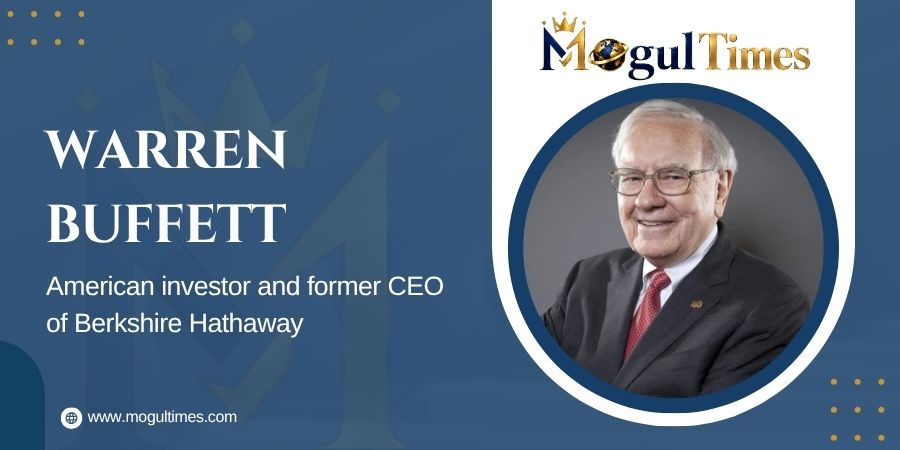
Warren Buffett began investing at just 11 years old and transformed a childhood fascination with business into one of the greatest investing careers in financial history. His disciplined approach, long-term mindset, and commitment to value investing turned Berkshire Hathaway into a global investment powerhouse while making him one of the world’s wealthiest and most respected business leaders.
How Did Warren Buffett Begin Investing So Young?
Warren Buffett bought his first stock at the age of 11, purchasing three shares of Cities Service Preferred for himself and three for his sister. Although the investment initially declined before eventually recovering, the experience taught him a lesson he would later describe as one of patience and resisting the urge to sell too early.
Growing up in Omaha, Nebraska, Buffett displayed entrepreneurial instincts long before becoming a professional investor.
Some of his childhood business ventures included:
- Delivering newspapers
- Selling chewing gum and Coca-Cola door-to-door
- Operating pinball machines in barber shops
- Filing tax returns using deductions from his newspaper route
- Saving nearly every dollar he earned
By his teenage years, he had accumulated thousands of dollars—an extraordinary amount for someone his age during the 1940s.
Why Is Warren Buffett Considered One of History’s Greatest Investors?
Warren Buffett is regarded as one of history’s greatest investors because he consistently outperformed the broader stock market for decades while following a disciplined investment philosophy based on intrinsic value rather than speculation.
His success is remarkable because it spans more than six decades.
Berkshire Hathaway’s extraordinary performance
| Metric | Approximate Value |
|---|---|
| CEO since | 1965 |
| Investment philosophy | Value Investing |
| Estimated net worth | Over $100 billion (varies with markets) |
| Berkshire Hathaway market value | Hundreds of billions of dollars |
| Years of investing | More than 80 years |
Under Buffett’s leadership, Berkshire Hathaway evolved from a struggling textile manufacturer into one of the world’s most valuable conglomerates.
The company owns or holds significant interests in businesses such as:
- Apple
- Coca-Cola
- American Express
- Chevron
- Moody’s
- Bank of America (historically among major holdings)
- GEICO
- BNSF Railway
- Dairy Queen
- Duracell
Rather than chasing market trends, Buffett focuses on acquiring outstanding businesses with durable competitive advantages.
What Is Value Investing?
Value investing means purchasing quality businesses for less than their intrinsic value and holding them for many years while their earnings and competitive strengths grow.
Buffett adopted this philosophy after studying under Benjamin Graham at Columbia Business School.
Its core principles include:
- Buying businesses instead of stock tickers
- Understanding the company’s competitive advantage
- Prioritizing consistent earnings
- Avoiding unnecessary risk
- Holding investments for decades instead of months
- Ignoring short-term market noise
Buffett often compares stock ownership to owning part of a real business rather than simply trading pieces of paper.
How Did Patience Become Buffett’s Greatest Advantage?
Patience became Buffett’s greatest advantage because compounding requires time, and exceptional businesses create wealth gradually rather than overnight.
Many investors try to predict short-term market movements.
Buffett does the opposite.
His philosophy can be summarized by several well-known principles:
- Be fearful when others are greedy.
- Be greedy when others are fearful.
- Never invest in businesses you don’t understand.
- Time in the market is more valuable than timing the market.
- Great companies deserve long holding periods.
One of his most famous observations is that the stock market transfers money from the impatient to the patient.
That belief has shaped nearly every investment decision throughout his career.
What Lessons Did Warren Buffett Learn From Early Mistakes?
The first stock Buffett purchased became an important lesson because he sold after a modest gain, only to watch the shares continue climbing dramatically.
That early experience helped him understand:
- Small profits can become enormous returns through patience.
- Emotional decisions often reduce long-term wealth.
- Quality businesses deserve time to grow.
- Long-term thinking usually beats frequent trading.
These lessons influenced his investment decisions for the next several decades.
Buffett’s Investment Philosophy in Practice
Buffett evaluates companies using a structured framework rather than emotions.
Key characteristics he looks for
| Factor | Why It Matters |
|---|---|
| Strong management | Capital allocation determines long-term success |
| Consistent profits | Predictable earnings reduce uncertainty |
| Competitive advantage | Protects market share over decades |
| Reasonable valuation | Avoids overpaying |
| Healthy cash flow | Supports future growth |
| Understandable business | Makes analysis more reliable |
Instead of searching for hundreds of investments, Buffett believes a handful of outstanding businesses can generate exceptional long-term returns.
What Can Everyday Investors Learn From Warren Buffett?
Everyday investors can apply Buffett’s principles without managing billions of dollars because his strategy depends more on discipline than on access to exclusive opportunities.
Practical lessons include:
Invest consistently
Regular investing allows compounding to work over decades.
Avoid emotional decisions
Market declines are normal and should not automatically trigger selling.
Focus on quality
Businesses with strong fundamentals generally outperform weaker competitors over long periods.
Think like an owner
Buying shares means owning part of a business—not simply making a trade.
Continue learning
Buffett spends much of each day reading annual reports, books, newspapers, and financial information.
Knowledge compounds just like investments.
The Power of Compounding
Compounding is one of the primary reasons Buffett accumulated extraordinary wealth despite starting with relatively modest amounts.
Consider this simplified example:
| Initial Investment | Annual Return | Time | Final Value |
|---|---|---|---|
| $10,000 | 10% | 10 Years | ~$25,900 |
| $10,000 | 10% | 20 Years | ~$67,300 |
| $10,000 | 10% | 40 Years | ~$452,600 |
The lesson is straightforward.
Higher returns matter, but allowing investments to remain untouched for decades often matters even more.
Why Buffett’s Legacy Extends Beyond Investing
Buffett’s influence reaches far beyond financial markets because he has consistently promoted ethical leadership, rational decision-making, and large-scale philanthropy.
He pledged to donate the vast majority of his fortune to charitable causes, making one of the largest philanthropic commitments in modern history.
His annual shareholder letters have also become essential reading for:
- Investors
- CEOs
- Entrepreneurs
- Business students
- Economists
These letters explain complex financial ideas using simple language and practical examples.
Key Takeaways
- Started investing at age 11.
- Built wealth through disciplined value investing.
- Led Berkshire Hathaway into one of the world’s largest companies.
- Demonstrated the long-term power of compounding.
- Focused on business quality rather than market speculation.
- Inspired generations of investors through transparency and education.
Frequently Asked Questions
At what age did Warren Buffett start investing?
Warren Buffett purchased his first stock at 11 years old, marking the beginning of an investing career that would span more than eight decades.
What investment strategy made Buffett successful?
His success comes primarily from value investing—buying high-quality businesses below their intrinsic value and holding them for many years.
Who influenced Buffett’s investing philosophy?
Benjamin Graham, often called the father of value investing, profoundly influenced Buffett during his studies at Columbia Business School.
Why is Berkshire Hathaway so successful?
Berkshire Hathaway succeeded through disciplined capital allocation, long-term ownership of outstanding businesses, decentralized management, and Buffett’s patient investment approach.
Conclusion
Starting with a single stock purchase at age 11, Warren Buffett proved that extraordinary investing success comes from patience, discipline, continuous learning, and rational decision-making—not from chasing market trends. His career demonstrates that long-term thinking and consistent execution can transform modest beginnings into an enduring financial legacy. Investors at every level can apply these timeless principles to build wealth steadily over time.
Also Read: Suze Orman Finance Journey: From Waitress to Wall Street