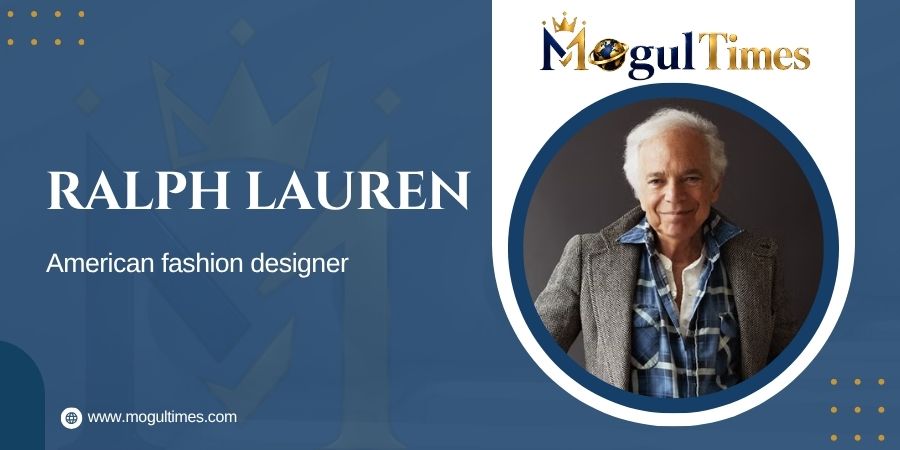
The Ralph Lauren success story proves that vision, persistence, and branding can create an empire without starting with wealth or formal fashion training. Born to immigrant parents in New York, Ralph Lauren transformed a simple idea—selling premium neckties—from a desk drawer into one of the world’s most recognized luxury lifestyle brands worth billions of dollars.
Today, Ralph Lauren Corporation operates in more than 100 countries, generates billions in annual revenue, and represents timeless American luxury. His journey remains one of the most remarkable entrepreneurial success stories in fashion history.
Who Is Ralph Lauren?
Ralph Lauren is an American fashion designer and entrepreneur who built a global luxury brand by redefining classic American style rather than chasing short-term trends. Unlike many fashion icons, he never attended fashion school. Instead, he relied on creativity, marketing instincts, and a deep understanding of aspiration.
Quick Facts
| Detail | Information |
|---|---|
| Full Name | Ralph Lifshitz (later Ralph Lauren) |
| Born | October 14, 1939 |
| Birthplace | Bronx, New York, USA |
| Parents | Jewish immigrants from Belarus |
| First Business | Handmade neckties |
| Company Founded | 1967 |
| Brand | Ralph Lauren Corporation |
| Global Presence | 100+ countries |
| Industry | Luxury Fashion & Lifestyle |
His company eventually expanded far beyond clothing into home furnishings, fragrances, restaurants, accessories, and hospitality.
How Did Ralph Lauren Start His Business?
Ralph Lauren started by designing wider, more colorful neckties and selling them directly from a drawer in the showroom where he worked. Instead of following fashion conventions, he created ties inspired by classic European elegance, believing customers wanted something different from the narrow styles dominating the market.
At the time, Lauren worked for tie manufacturer Beau Brummell. His bold tie designs initially faced rejection because executives considered them too unconventional.
Rather than abandoning the idea, he convinced the company to let him sell the collection under his own label: Polo.
That decision changed fashion history.
Early milestones included:
- Designing distinctive wide silk ties
- Selling inventory personally
- Building relationships with retailers
- Establishing the Polo label
- Reinvesting profits into expansion
His willingness to challenge industry norms became a defining characteristic throughout his career.
Why Did the Polo Brand Become So Successful?
The Polo brand succeeded because Ralph Lauren sold an aspirational lifestyle instead of simply selling clothing. Customers were buying an image of sophistication, success, and timeless elegance rather than individual products.
Instead of competing on price, Lauren positioned Polo as a premium lifestyle experience.
His strategy included:
- Consistent luxury branding
- High-quality craftsmanship
- Classic rather than seasonal designs
- Storytelling through advertising
- Premium retail environments
This approach created emotional value that competitors struggled to replicate.
Fashion analysts often credit Ralph Lauren with helping pioneer lifestyle branding, where consumers identify with an entire way of living instead of a single product category.
The Power of Building a Lifestyle Brand
Ralph Lauren expanded from fashion into a complete luxury ecosystem by creating products that reflected the same aspirational identity across multiple industries. Customers could wear the brand, decorate their homes with it, use its fragrances, and even dine in Ralph Lauren restaurants.
Major product categories include:
- Men’s fashion
- Women’s fashion
- Children’s clothing
- Luxury accessories
- Watches
- Eyewear
- Home collections
- Furniture
- Fragrances
- Hospitality
This diversification strengthened customer loyalty while reducing dependence on any single product line.
It also transformed Ralph Lauren from a clothing company into a global luxury lifestyle brand.
What Challenges Did Ralph Lauren Overcome?
Ralph Lauren overcame financial uncertainty, repeated business risks, changing consumer tastes, and intense competition by staying committed to his brand identity. While many fashion companies shifted rapidly with trends, Lauren focused on timeless design and long-term brand value.
Some major obstacles included:
Early Career Rejections
Retailers initially doubted his unconventional tie designs.
Limited Resources
His business began with modest capital and self-funded growth.
Competitive Fashion Industry
Luxury fashion became increasingly crowded with international brands.
Economic Downturns
Recessions affected consumer spending, requiring careful business management.
Digital Transformation
The company invested heavily in e-commerce and digital experiences to remain competitive.
Despite these challenges, the company continued adapting without losing its distinctive identity.
Ralph Lauren’s Biggest Business Decisions
Several strategic decisions turned a small accessory business into a multibillion-dollar global company.
Creating the Polo Identity
Rather than using his own surname initially, Lauren chose “Polo” to evoke prestige and timeless elegance.
Expanding Beyond Ties
He quickly moved into men’s apparel, opening larger revenue opportunities.
Launching Women’s Fashion
Women’s collections significantly expanded the company’s market.
Building Luxury Retail Stores
Flagship stores reinforced the premium customer experience.
Licensing Strategy
Licensing agreements accelerated global expansion while maintaining brand recognition.
These moves allowed the business to scale internationally without compromising its luxury positioning.
What Makes the Ralph Lauren Success Story Different?
The Ralph Lauren success story stands apart because it demonstrates the power of branding over manufacturing. Lauren did not invent a new fabric or production method. Instead, he created emotional value through storytelling, consistency, and design.
Several characteristics define his entrepreneurial approach:
- Strong personal vision
- Exceptional brand consistency
- Long-term thinking
- Premium positioning
- Customer aspiration over discounts
Many entrepreneurs focus primarily on products.
Lauren focused on identity.
That difference became his competitive advantage.
Business Lessons Entrepreneurs Can Learn
The Ralph Lauren success story offers practical lessons for founders across industries because it shows how brand value can become a company’s greatest competitive asset. Entrepreneurs can apply these principles whether building fashion businesses, technology startups, or consumer brands.
Focus on Differentiation
Standing out often matters more than competing on price.
Build a Brand, Not Just Products
Strong brands generate customer loyalty beyond features.
Stay Consistent
Maintaining a clear identity builds long-term trust.
Think Beyond Today
Lauren expanded carefully instead of chasing every opportunity.
Invest in Customer Experience
Premium experiences increase perceived value.
These principles continue influencing modern luxury and direct-to-consumer brands worldwide.
Global Impact of Ralph Lauren
Ralph Lauren transformed American fashion into a globally recognized luxury identity and helped establish lifestyle branding as a dominant business model. His influence extends beyond apparel into marketing, retail strategy, and consumer psychology.
Notable achievements include:
- Global operations in over 100 countries
- Thousands of retail and wholesale locations
- Billions of dollars in annual revenue
- Millions of customers worldwide
- Recognition among the world’s leading luxury brands
According to the company’s public financial reports, Ralph Lauren Corporation consistently generates several billion dollars in annual revenue while maintaining a strong presence across North America, Europe, and Asia.
The company’s iconic Polo Player logo has become one of fashion’s most recognizable trademarks.
Why Does Ralph Lauren’s Story Continue to Inspire?
The Ralph Lauren success story continues inspiring entrepreneurs because it proves that background does not determine business success. Lauren’s journey from the Bronx to leading a global luxury company illustrates how vision, persistence, and disciplined branding can overcome limited resources and early rejection.
His career demonstrates that lasting businesses are built through consistent execution rather than overnight success.
For aspiring founders, his story is a reminder that creating emotional value for customers can become more powerful than simply offering another product.
Frequently Asked Questions
How did Ralph Lauren become successful?
Ralph Lauren became successful by designing premium neckties, building the Polo brand, expanding into lifestyle products, and consistently positioning his company as a symbol of timeless American luxury.
What was Ralph Lauren’s first business?
His first business involved designing and selling handmade neckties, initially stored and sold from a drawer while working for a tie manufacturer.
Why is the Ralph Lauren success story important?
The Ralph Lauren success story demonstrates how branding, customer aspiration, and long-term vision can create a global luxury business without formal fashion education.
What is Ralph Lauren’s biggest business achievement?
His greatest achievement is building Ralph Lauren Corporation into one of the world’s leading luxury lifestyle brands with products spanning fashion, home, fragrances, and hospitality.
Conclusion
The Ralph Lauren success story is far more than a tale of fashion success. It is a blueprint for building an enduring global brand through vision, consistency, and customer aspiration. From selling handmade ties from a simple drawer to leading a luxury empire recognized across the world, Ralph Lauren proved that the strongest businesses are built around identity, not just products.
Whether you’re launching a startup or growing an established company, his journey offers a timeless lesson: a compelling brand can become your greatest competitive advantage.
Also Read: Vera Wang Inspiring Journey: From Olympic Hope to Icon