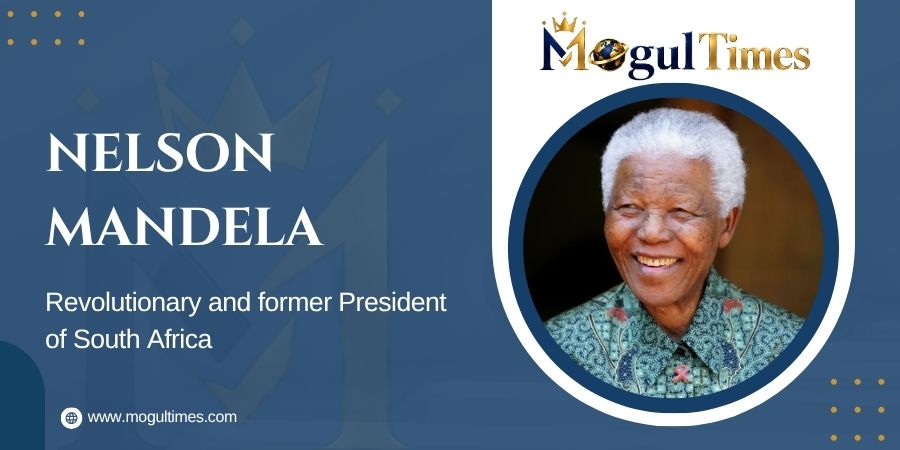
Nelson Mandela Journey: From Prison to a United South Africa
Nelson Mandela’s journey stands as one of history’s most remarkable examples of resilience, forgiveness, and visionary leadership. After spending 27 years in prison under South Africa’s apartheid regime, Mandela emerged without calling for revenge. Instead, he led a peaceful democratic transition that ended decades of racial segregation and became South Africa’s first Black president in 1994. His leadership transformed not only a nation but also the global understanding of reconciliation and justice.
Who Was Nelson Mandela?
Nelson Mandela was a South African anti-apartheid leader, lawyer, political prisoner, and statesman who dedicated his life to ending institutionalized racial discrimination. Born on July 18, 1918, in the village of Mvezo, Mandela grew up witnessing deep inequalities that shaped his lifelong commitment to justice.
Key facts about Nelson Mandela:
| Fact | Details |
|---|---|
| Full Name | Nelson Rolihlahla Mandela |
| Born | July 18, 1918 |
| Birthplace | Mvezo, South Africa |
| Profession | Lawyer, Activist, Politician |
| Prison Term | 27 years (1962–1990) |
| President of South Africa | 1994–1999 |
| Nobel Peace Prize | 1993 (with F.W. de Klerk) |
| Died | December 5, 2013 |
The Nelson Mandela journey continues to inspire leaders, activists, educators, and citizens worldwide because it demonstrates how moral courage can reshape history.
Why Was Nelson Mandela Imprisoned?
Nelson Mandela was imprisoned because of his leadership in the struggle against apartheid and his involvement in organizing resistance against South Africa’s racist government. Initially committed to peaceful protest through the African National Congress (ANC), Mandela later supported limited sabotage after peaceful demonstrations were repeatedly met with violent repression.
Major Events Leading to His Arrest
- Joined the African National Congress (ANC) in the 1940s.
- Helped organize campaigns against apartheid laws.
- Co-founded the ANC Youth League.
- Established Umkhonto we Sizwe (“Spear of the Nation”) in 1961.
- Arrested in 1962.
- Convicted during the Rivonia Trial in 1964.
- Sentenced to life imprisonment.
The apartheid government believed imprisoning Mandela would weaken resistance. Instead, his imprisonment strengthened the international movement demanding freedom for South Africa.
What Happened During Mandela’s 27 Years in Prison?
Nelson Mandela spent 27 years behind bars, yet imprisonment strengthened rather than diminished his leadership. Most of his sentence was served on Robben Island, where prisoners performed physically demanding labor while enduring harsh restrictions on communication, education, and family visits.
Conditions He Endured
- Breaking limestone in quarries.
- Limited food and medical care.
- Strict censorship of letters.
- Rare family visits.
- Constant surveillance.
- Isolation from political activities.
Despite these conditions, Mandela continued studying law, mentoring younger prisoners, and encouraging discipline among fellow inmates.
Prison Became a Classroom
Rather than allowing prison to define him, Mandela transformed it into what many later described as the “University of Robben Island.”
He emphasized:
- Education
- Self-discipline
- Respect
- Strategic thinking
- Emotional resilience
These years prepared him for the enormous responsibility of leading a divided nation.
How Did Nelson Mandela Lead South Africa’s Peaceful Transformation?
Nelson Mandela guided South Africa away from civil conflict by choosing reconciliation over revenge after his release from prison. When he walked free on February 11, 1990, many feared racial violence or civil war. Instead, Mandela promoted negotiations between former enemies.
His Leadership Priorities
- End apartheid peacefully.
- Build democratic institutions.
- Encourage racial reconciliation.
- Protect minority rights.
- Prevent political violence.
- Unite South Africans under one constitution.
His message remained remarkably consistent:
Freedom means creating justice for everyone—not replacing one form of oppression with another.
This philosophy became the defining feature of the Nelson Mandela journey, distinguishing him from many revolutionary leaders throughout history.
What Was Apartheid and Why Did It Matter?
Apartheid was a system of legally enforced racial segregation that denied the majority Black population political rights, economic opportunities, and basic freedoms. Introduced officially in 1948, apartheid governed nearly every aspect of daily life.
Examples included:
- Separate schools
- Separate hospitals
- Separate neighborhoods
- Pass laws restricting movement
- Ban on interracial marriage
- Voting rights reserved mainly for white citizens
Millions experienced forced removals, unequal education, and systemic discrimination.
Ending apartheid required political negotiation, international pressure, economic sanctions, and sustained activism inside South Africa.
The Historic 1994 Democratic Election
South Africa’s first fully democratic election in 1994 marked the official end of apartheid and established Nelson Mandela as the nation’s first Black president. Millions voted for the first time regardless of race.
Election Highlights
- Date: April 1994
- First multiracial election
- ANC won approximately 62% of the vote.
- Mandela became president on May 10, 1994.
- Peaceful transfer of power.
The peaceful election became one of the most celebrated democratic transitions of the twentieth century.
How Did Mandela Promote National Reconciliation?
Nelson Mandela believed lasting peace required reconciliation rather than punishment alone, making forgiveness a cornerstone of South Africa’s democratic future. He invited former political opponents into government and publicly encouraged unity.
Important initiatives included:
Truth and Reconciliation Commission
Led by Archbishop Desmond Tutu, the commission:
- Investigated human rights abuses.
- Allowed victims to testify.
- Offered conditional amnesty.
- Recorded historical evidence.
- Encouraged national healing.
Symbolic Leadership
Mandela also used powerful public gestures.
Examples include:
- Wearing the Springbok rugby jersey during the 1995 Rugby World Cup.
- Meeting former prison guards.
- Visiting communities across racial lines.
- Promoting shared national identity.
These actions helped reduce tensions during an exceptionally fragile period.
Nelson Mandela’s Global Impact
Nelson Mandela became an international symbol of human rights, democracy, and peaceful conflict resolution long after leaving public office. Governments, universities, charities, and international organizations continue studying his leadership.
International Recognition
- Nobel Peace Prize (1993)
- United Nations Nelson Mandela International Day (July 18)
- Hundreds of honorary degrees
- Presidential Medal of Freedom
- Global humanitarian awards
His influence extends beyond politics into education, leadership development, business ethics, diplomacy, and conflict resolution.
Leadership Lessons from the Nelson Mandela Journey
The Nelson Mandela journey demonstrates that authentic leadership is measured not only by victory but also by the ability to unite people after conflict. His principles remain relevant for governments, businesses, and communities.
Key Leadership Principles
- Listen before leading.
- Build trust through consistency.
- Forgive without forgetting history.
- Value education throughout life.
- Negotiate whenever possible.
- Put national interest above personal ambition.
- Lead by example.
These ideas continue to shape leadership programs around the world.
A Practical Example of Mandela’s Leadership
Mandela’s appearance at the 1995 Rugby World Cup Final remains one of the strongest demonstrations of symbolic leadership in modern history. Rugby had long been associated with South Africa’s white minority, yet Mandela wore the national team’s jersey and presented the trophy after South Africa’s victory.
Many historians credit this moment with helping foster national unity by showing that shared symbols could bridge deep divisions. While no single event erased decades of injustice, it reinforced Mandela’s broader strategy of reconciliation and inclusion.
Why Does Nelson Mandela’s Legacy Still Matter?
Nelson Mandela’s legacy remains relevant because societies worldwide continue facing challenges involving inequality, political division, and human rights. His example proves that peaceful negotiation and principled leadership can produce lasting democratic change.
The Nelson Mandela journey also reminds future generations that courage is not merely resisting injustice but building institutions that prevent it from returning.
Today, his story is taught in schools, leadership academies, diplomatic training, and civil rights programs across continents.
Frequently Asked Questions
Why did Nelson Mandela spend 27 years in prison?
Mandela was imprisoned for leading resistance against apartheid and participating in sabotage campaigns after peaceful protests failed to achieve political reform. He served from 1962 until his release in 1990.
How did Nelson Mandela end apartheid?
Mandela worked with political leaders, including F.W. de Klerk, to negotiate a peaceful democratic transition, resulting in South Africa’s first multiracial election in 1994.
What made Nelson Mandela an effective leader?
His commitment to reconciliation, moral authority, strategic negotiation, resilience, and willingness to forgive former opponents helped unite a deeply divided nation.
Why is Nelson Mandela remembered today?
He is remembered for ending apartheid peacefully, defending human rights, promoting democracy, and inspiring generations through his commitment to justice and reconciliation.
Conclusion
The Nelson Mandela journey is more than a story of imprisonment and political success—it is a powerful lesson in resilience, forgiveness, and transformational leadership. By choosing reconciliation over revenge after 27 years behind bars, Mandela changed South Africa’s future and became a global symbol of hope. His life continues to remind the world that lasting change is built through courage, dialogue, and an unwavering commitment to equality.
Also Read: Sara Blakely Success Story: From $5,000 to a Billion-Dollar Dream